



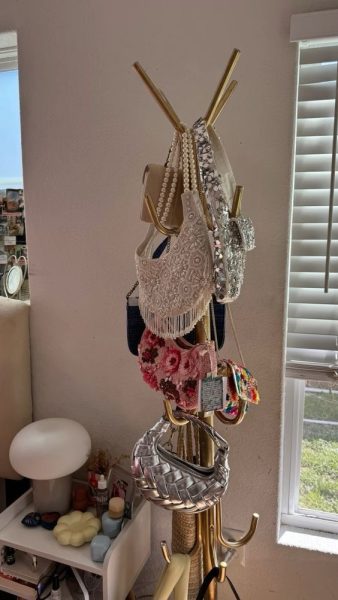
Neutral tones and basic jewelry are out. Bold colors, clashing patterns and personality-packed outfits are in at LHS. Maximalism is making a loud comeback, raising a simple question: Is it brilliant self-expression or just too much?
Maximalism is often mistaken for clutter, but it’s calculated and intentional. Layered textures, mixed patterns and meaningful objects replace boring outfits, making fashion meant to feel truly real and lived in, not staged.
Experts say the trend is a reaction to years of boring neutrals and beige. Social media fueled beige interiors and “perfect” feeds, leaving people craving individuality. Maximalism delivers outfits that reflect personalities, culture and uniqueness instead of sterile perfection.
Even though maximalism spiked in 2025 because of social media, many people decided 2026 was going to be their year for a new take on what their fashion could be. Bold colors replaced neutrals and unique generational pieces replaced store-bought blandness.
“I want to invest in some funky pieces to level up my wardrobe basics,” said Hannah Jackson in a recent Vogue article. “A muted print or a splash of bold color might be exactly what I need to give my closet a jolt.”
Though suddenly trending on social media, maximalism isn’t new. It traces all the way back to Victorian homes and mid-century design. Global interiors have long embraced color and layering, but what changed was its cultural spotlight.
Some argue it can feel chaotic, but minimalism has been called cold and lifeless. Success in either style depends on intention and what truly makes you feel “you.”
Maximalism isn’t just a trend, it challenges the idea that good taste must be quiet. Loved or hated, it signals a growing desire for authenticity and individuality in a world of curated sameness.