



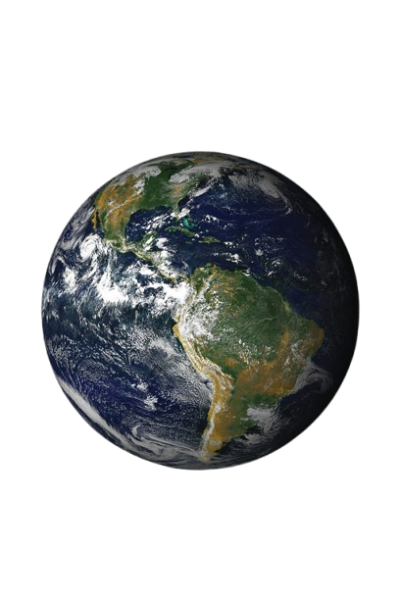
 In approximately five billion years, the sun is expected to explode, ultimately obliterating our entire solar system and wiping out every organism on Earth. However, some can’t help but wonder: Is the world actually going to end before that and is the fate of Earth in the hands of human beings? To narrow it down, is the fate of humanity in the hands of our upcoming and growing generations?
A common concern since the Industrial Revolution is that robots will take over the world. With civilians’ growing dependency on artificial intelligence, our intelligence quotient is approaching its demise. This theory dates back to the 20th century, with many pop culture references suggesting the presence of superior robot beings, such as James Cameron’s “The Terminator.”
“I don’t think the world is ending,” said social studies teacher Natalie Shevlin. “I’m not a doomsday person. History has shown that everything has always smoothed over in time. We just have to wait it out.”
Shevlin essentially argues that because we have bounced back from world wars in the past, we have the potential to stay strong through current or approaching wars and keep the world whole. Contrary to this belief, nuclear weapons have become quite prominent across the world’s largest continents, and some of the leaders of these countries are on the edge of their seats with the potential pressing of the button.
Nuclear weapons are the most destructive, inhumane and indiscriminate weapons ever created, and they can do significantly more than most believe.
“Humans won’t be around when the world ends,” said senior Leo Ibser. “Even if there was a nuclear war that wiped out the population, the physical earth would still be around afterwards.”
With that in mind, a situation involving these catalysts could destroy humankind, most life on Earth and cause mass extinction. If, goodness me, this were to happen, essentially everything on earth would end, but the world would still be floating around in space.
That leaves time for life to potentially rebirth, but what kind of life? First it was bacteria, then it was dinosaurs, then primates, now humans. What’s next?
“Considering technology, our political state and the threat of war at any moment, I’d say the world is ending,” said August Kode, junior. “But how could [it] be any worse?”